
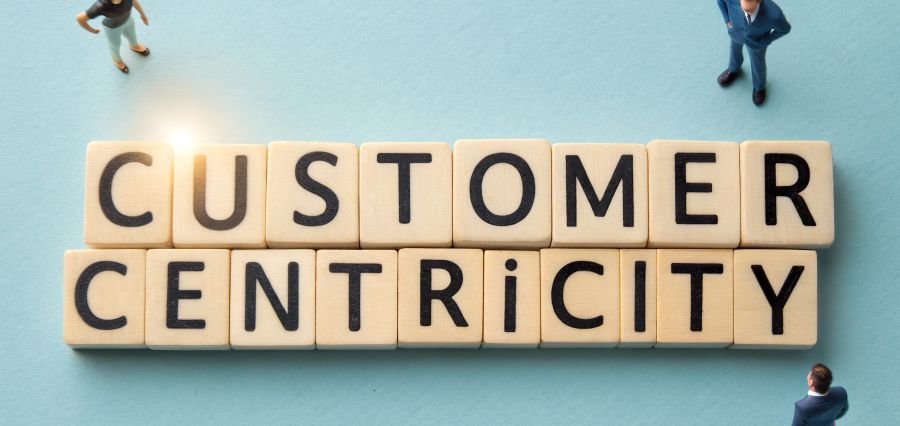
In an increasingly competitive and digitally connected marketplace, businesses can no longer rely solely on product quality or pricing strategies to stand out. Today, long-term success depends on how well organizations understand, anticipate, and respond to the needs of their customers. This is where customer centricity becomes more than a strategy—it becomes a mindset that shapes every decision, interaction, and innovation. Companies that truly prioritize their customers are not only able to build loyalty but also create sustainable growth in dynamic markets.
Understanding the True Meaning of Customer Centricity
Customer centricity goes beyond offering good service or responding to complaints efficiently. It is a comprehensive business philosophy that places the customer at the core of every function, from product development and marketing to operations and after-sales support. Rather than asking, “How can we sell this product?” customer-focused organizations ask, “How can we solve our customers’ problems in the best possible way?”
This approach requires a deep understanding of customer behaviors, expectations, and evolving preferences. It involves collecting meaningful insights through data analytics, feedback mechanisms, and direct engagement. More importantly, it requires acting on those insights. Many organizations gather customer data, but only those committed to genuine transformation integrate it into strategic planning and daily operations.
When companies embed customer centricity into their culture, they shift from transactional relationships to long-term partnerships. The emphasis moves from short-term revenue targets to lifetime value, trust, and advocacy.
Building a Customer-First Culture Across the Organization
True transformation begins internally. Leadership must champion customer centricity and align teams around shared goals that prioritize customer outcomes. When senior management communicates a clear vision centered on delivering value, it sets the tone for the entire organization.
Departments that traditionally operate in silos—such as sales, marketing, product development, and customer support—must collaborate more closely. A seamless customer journey requires consistent messaging, unified data systems, and coordinated service delivery. For example, marketing campaigns should reflect insights gathered from customer support teams, while product updates should address real feedback from users.
Training and empowerment also play a crucial role. Employees who interact directly with customers need both the authority and the tools to resolve issues effectively. When frontline teams feel supported and trusted, they can create meaningful experiences that strengthen loyalty.
Technology acts as an enabler in this transformation. Customer relationship management systems, predictive analytics, and AI-driven insights allow organizations to personalize interactions at scale. However, technology alone is not enough. Without a genuine commitment to customer centricity, digital tools become underutilized assets rather than drivers of meaningful engagement.
The Role of Data and Personalization in Modern Markets
In today’s digital environment, customers expect personalized experiences. They want brands to understand their preferences, anticipate their needs, and communicate in relevant ways. Achieving this level of personalization requires responsible and strategic use of data.
Organizations must balance innovation with transparency. Customers are increasingly aware of data privacy concerns and are more likely to engage with brands that handle their information ethically. Trust becomes a key component of long-term relationships.
Customer centricity encourages businesses to analyze patterns not only to increase sales but to enhance value. For example, predictive analytics can identify potential service disruptions before they occur, allowing proactive solutions. Similarly, data insights can help companies refine product features based on actual usage trends rather than assumptions.
By leveraging data effectively, organizations create smoother customer journeys, reduce friction points, and foster stronger emotional connections. This approach transforms interactions from routine transactions into memorable experiences.
Strategic Benefits and Long-Term Impact
Adopting customer centricity offers measurable benefits that extend beyond improved satisfaction scores. Companies that align their strategies with customer needs often experience higher retention rates, increased referrals, and stronger brand equity. Loyal customers are more likely to recommend products and services, reducing acquisition costs and enhancing profitability.
From a strategic perspective, businesses that listen closely to customers are better positioned to innovate. Market demands evolve rapidly, and organizations that maintain continuous dialogue with their audience can adapt more effectively. Instead of reacting to market shifts, they anticipate them.
Furthermore, a customer-focused approach strengthens resilience during challenging times. Economic fluctuations, competitive disruptions, or technological changes can test organizational stability. However, companies with strong customer relationships are more likely to maintain trust and support even during uncertainty.
Customer centricity also enhances internal alignment. When teams rally around delivering value to customers, decision-making becomes clearer and more purpose-driven. Employees understand how their roles contribute to a larger mission, fostering motivation and accountability.
Moving from Strategy to Mindset
For many organizations, the biggest challenge is not understanding the importance of customer centricity but implementing it consistently. It requires continuous effort, regular feedback loops, and a willingness to evolve. Businesses must move beyond one-time initiatives or marketing slogans and integrate customer thinking into everyday processes.
Leadership must measure performance not only through revenue metrics but also through customer satisfaction, retention, and engagement indicators. Incentive structures should reward behaviors that enhance customer experiences rather than solely focusing on short-term sales targets.
Ultimately, customer centricity is about building relationships grounded in trust, empathy, and value creation. In a world where customers have more choices than ever, loyalty cannot be assumed—it must be earned. Organizations that commit to truly understanding and serving their customers will not only survive but thrive in the long run.
As markets become more competitive and digitally driven, the companies that stand out will be those that see every innovation, every strategy, and every decision through the lens of the customer. That commitment transforms businesses from product-driven entities into purpose-driven organizations built for enduring success.