
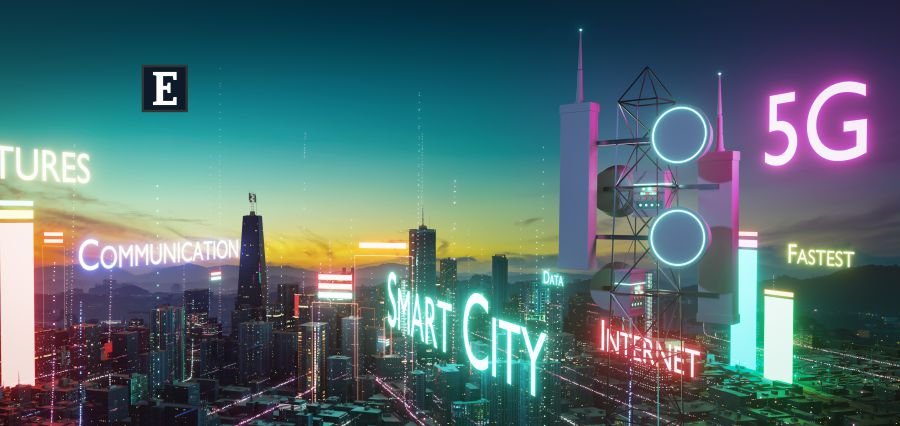
Telecom’s Biggest Bets
Business landscapes are evolving at an unprecedented pace. Markets are more dynamic, technologies are advancing rapidly, and competition is becoming more global than ever. This rapid change has pushed one major question to the forefront for executives everywhere: Where should industry leaders invest next? The answer lies in identifying the forces that will define long-term improvement, such as innovation, sustainability, and the increasing importance of the connectivity future.
Leaders today understand that growth depends on forward-thinking decisions. Whether the goal is improving sustainability, upgrading infrastructure, or creating resilient supply chains, investment strategies now reflect a deeper focus on readiness. Businesses are preparing for a world where data, people, and systems interact more seamlessly than at any point in history.
The Digital Transformation Imperative
Digital transformation is no longer optional. What started as a change in the tools and platforms has become the basis of the modern business. Organizations are redesigning operations with automation, artificial intelligence, and advanced analytics at the core. Cloud computing, in particular, has become essential due to its flexibility and cost efficiency.
These upgrades are not simply about keeping up. They revolve around creating systems that can support real-time decision making, collaboration, and customer expectations. Organisations making early investments in digital capabilities tend to have an advantage, as these systems form the backbone of the connectivity future.
Artificial Intelligence as a Growth Engine
Artificial intelligence has moved far beyond experimentation. It has now become a central point in the way companies address problems and find opportunities. In industries such as finance, healthcare, and logistics, AI is helping improve diagnostics, manage risks and predict demand with remarkable accuracy.
Going forward, investments are likely to focus on responsible and human-centered AI. Leaders desire resolutions that are effective in decision-making while maintaining fairness and transparency. This approach ensures technology empowers people rather than replaces them, strengthening trust in a rapidly digital world.
Green Innovation and Sustainability
Sustainability has become a defining expectation for modern businesses. Now, customers, investors, and regulators expect companies to make commitments to environmentally conscious practices. This shift is driving major investment into renewable energy, circular manufacturing, and lower-carbon transportation.
Green data centers, smart grids, and precision agriculture are increasingly becoming a common practice as organizations attempt to balance between environmental responsibility and economic growth. These solutions are largely dependent on digital systems, reinforcing how closely sustainability is tied to the connectivity future.
Building Smarter Infrastructure
Cities and industries depend on infrastructure that can meet rising demands. Smart infrastructure integrates technology into roads, buildings, and public systems to create safer and more efficient environments. Investment is being directed towards smart transport networks, smart utilities, and automated government services.
Real-time traffic control, connected waste management, and smart lighting demonstrate how data-driven systems can improve daily life. The innovations also minimize the costs of operation and environmental impact, preparing communities for the connectivity future that depends heavily on efficient and responsive networks.
The Future of Work and Talent
How we work has changed profoundly over the past few years. The digital tools, remote collaboration, and hybrid models are transforming the operation of the teams. Businesses now recognize that investing in talent is as critical as investing in technology.
Upskilling, leadership development, and digital literacy programs are gaining priority. Employees are expected to work with emerging technologies, analyze information, and adapt quickly. Companies that build strong and capable teams will remain more agile in the years ahead.
Strengthening Cybersecurity
With greater digital adoption comes greater risk. Cybersecurity has become a non-negotiable investment area as threats grow more advanced. Businesses are moving toward proactive defense models such as zero-trust frameworks and AI-driven threat detection.
Strong cybersecurity not only protects data but also builds consumer confidence. As data sharing increases, information protection becomes one of the essential elements of the connected future.
The Data Advantage
In today’s economy, data has become an essential asset. Quick and accurate analysis of information assists firms in making smarter decisions. Predictive analytics, cloud storage, and data-sharing ecosystems are gaining traction as organizations try to unlock deeper insights.
At the same time, ethical data management has become crucial. Transparency and privacy protections are central to maintaining trust and meeting regulatory expectations.
Final Reflection
Industry leaders are preparing for a world defined by intelligence, sustainability, and collaboration. The most influential investment themes, including digital transformation, AI, green innovation, and talent development, are closely connected. These forces are shaping a business environment built on progress and purpose. As the physical and digital worlds merge, organizations that clearly and responsibly embrace change will lead in innovation and help create a more empowered global landscape guided by the connectivity future.