
Building a more inclusive economy does not happen through policy documents alone. It happens through people who show up consistently. People who understand communities from the ground up. People who refuse to treat compliance and development as paperwork exercises rather than genuine human progress. South Africa has no shortage of frameworks designed to drive transformation. What it needs more are leaders who take those frameworks seriously enough to apply them with real intent, real accountability, and clear understanding.
The gap between those who participate meaningfully in the economy and those who remain on its margins is not a gap in talent or ambition. It is a gap in access, opportunity, and leadership that genuinely cares about closing it. The leaders willing to challenge that pattern and hold the work to a higher standard are the ones reshaping responsible economic development.
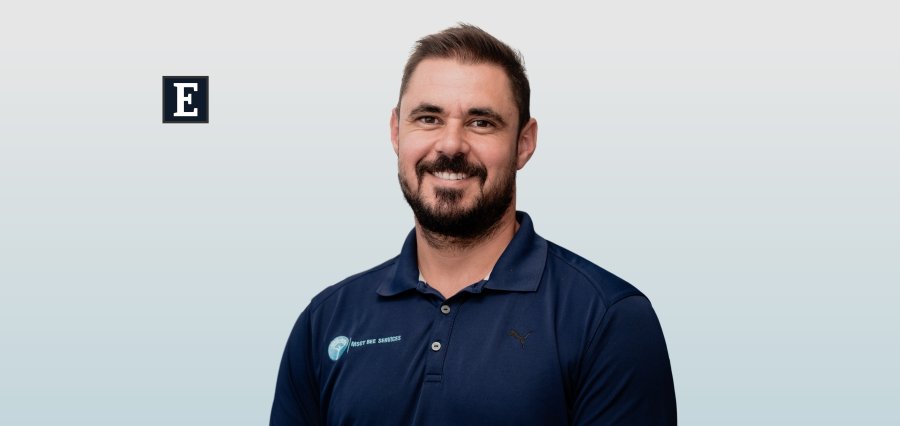
Stanley Grau, Managing Director of MSCT BEE Services (Pty) Ltd, has built his career around exactly that standard. His work spans compliance, economic development, sustainability, and impact assessment. It is driven by something far more personal than professional obligation. He grew up watching communities with extraordinary potential remain locked out of economic participation. That observation has never left him; it shapes every decision he makes as a leader.
For him, meaningful development is not abstract. It is measured in opportunities created, in confidence built within communities and in the future made possible for the next generation when the right foundations are properly laid.
A Commitment Rooted in South Africa’s Future
For Stanley, the inspiration behind his professional path is deeply personal and closely tied to the future of South Africa itself. He believes the country possesses extraordinary people, immense creativity, and untapped economic potential, but continues to carry the burden of its past. His generation, he explains, has a responsibility to help shift that reality by creating opportunities that allow communities to participate meaningfully in the economy.
He emphasizes that what many communities lack is not capability, but access and infrastructure. By creating those opportunities, he believes South Africa can prosper while strengthening its influence in global trade. At the center of this vision is a desire to create a better future for the next generation. He wants a better South Africa for his children, and he believes that by making meaningful changes together, they can achieve it.
That belief has remained a consistent driving force throughout his career. Rather than approaching economic development solely through compliance structures or policy frameworks, he approaches it through people, communities, and long-term impact. His work reflects a conviction that meaningful development must create tangible opportunities for families and children while enabling sustainable participation in economic systems.
He believes that sustainable economic growth becomes truly meaningful when ordinary people are given the tools, support, and confidence to participate in opportunities that can improve their futures.
The Experience That Shaped His Perspective
Among the many experiences that influenced Stanley’s professional journey, one stands out as particularly formative. He recalls participating in a community initiative where children, accompanied by their mothers and grandparents, stood in a queue nearly 200 metres long carrying recyclable materials such as plastic and glass that they had collected themselves. In exchange, they received stationery for school because many families could not afford basic educational supplies.
The experience left a lasting impression on him, not because of hardship alone, but because of the determination and creativity he witnessed in those communities. It reinforced his belief that people are willing to work, learn, and build better futures when they are given meaningful opportunities before negative influences begin shaping their lives.
He notes that “Children want to learn and become something more if they are given the opportunity before negative influences such as drugs and alcohol begin to shape their lives.”
That moment helped shape his understanding of inclusive economic development in practical human terms. For him, development is not simply about statistics, policy, or regulatory outcomes. It is about creating systems that allow people to unlock their potential and contribute meaningfully to society.
Building on this belief, he continues to advocate for development strategies that prioritize sustainability, accessibility, and genuine community impact. The creativity and ingenuity he witnessed during that experience reinforced his conviction that the real challenge is not a lack of talent, but a lack of opportunity. The experience also strengthened his belief that meaningful leadership requires direct engagement with communities and a clear understanding of the realities people face every day.
Leadership Built on Purpose and Service
Stanley defines his core responsibility in clear and people-centered terms. His focus is not simply on operational oversight or business performance, but on mentoring and guiding others while building a culture driven by commitment and shared purpose.
He believes people perform best when they understand why their work matters and how it contributes to something larger than themselves. Rather than leading through pressure or obligation, he seeks to create an environment where individuals are motivated by genuine understanding and accountability.
“My core responsibility is to mentor and guide others,” he explains, emphasizing the importance of helping people understand both the purpose behind their work and what they hope to achieve through it.
This philosophy extends directly into his broader leadership approach. In high-responsibility sectors where pressure often drives reactive decision-making, he believes leadership requires calmness, clarity, and a consistent focus on the greater goal. He sees trust as essential to creating resilient teams capable of navigating complexity while remaining aligned and accountable.
He explains that “People perform at their best when they understand the reason behind the work and feel that they are valued, supported, and trusted.”
At the same time, he believes leadership must create environments where individuals feel safe to contribute, take ownership, and remain accountable for outcomes. This culture of support and responsibility, he notes, strengthens decision-making even under pressure. For him, leadership is ultimately grounded in purpose, trust, and service. It is about building people as much as building organizations.
Redefining Compliance as a Driver of Trust
Within industries shaped by regulation and accountability, compliance is often viewed narrowly as an obligation or administrative requirement. Stanley challenges that perception directly. He believes compliance should never be reduced to a box-ticking exercise or treated as a barrier to growth.
Instead, he sees compliance as a framework that creates transparency, builds trust, and ensures development remains meaningful and sustainable over the long term. “When applied correctly, it creates transparency, builds trust, and ensures that development is both meaningful and sustainable,” he explains.
This perspective reflects a broader philosophy that compliance must be connected to purpose. For him, regulatory frameworks are most effective when they protect stakeholders, strengthen accountability, and contribute to long-term value creation rather than short-term compliance targets.
By aligning compliance with ethical responsibility and sustainable development goals, he believes organizations can create growth that is credible, responsible, and beneficial to the communities they serve. In this context, compliance becomes more than governance. It becomes a mechanism for strengthening trust between businesses, communities, and broader economic systems.
Staying Grounded Amid Industry Change
Operating in a constantly evolving regulatory and economic environment requires adaptability, continuous learning, and strategic awareness. Stanley remains committed to staying ahead of industry developments by engaging closely with changes in regulation, best practices, and the practical realities affecting the sectors his organization serves.
At the same time, he believes consistency and integrity must remain non-negotiable regardless of how industries evolve. “In an industry such as ours, ethics are essential to protecting credibility, building trust, and safeguarding long-term progress,” he says.
His approach to change is deliberate rather than reactive. He focuses on evaluating developments carefully, adopting approaches that add genuine value, and ensuring that decisions are guided by principle rather than convenience.
This balance between adaptability and ethical consistency has become central to his leadership model. While industries continue to evolve, he believes organizations must protect the standards that sustain long-term credibility and meaningful progress. For him, integrity is not simply a professional expectation. It is the foundation that allows sustainable growth to exist.
Navigating Challenges with Integrity
Throughout his career, Stanley has encountered significant challenges within the compliance and economic development sector, particularly regarding inconsistent regulation and superficial approaches to compliance implementation.
He points to the lack of regulation within parts of the industry compared with professions such as accounting, auditing, and law. According to him, this environment sometimes allows legislation to be applied in ways that prioritize personal interests or reduce compliance to a superficial exercise with limited long-term impact.
In contrast, he believes real value is created through strategies that are meaningful, sustainable, and beneficial to all stakeholders. “What has guided my growth as a leader is the belief that one should not chase money but rather focus on doing the work with integrity and excellence, trusting that the results will follow,” he explains.
Distinguishing oneself within such an environment is not always easy, particularly while balancing financial business pressures. Yet his leadership philosophy has remained rooted in long-term credibility rather than short-term gain.
That commitment to integrity continues to shape both his personal leadership journey and the broader direction of his organization. By prioritizing sustainable impact over superficial success, he has built a reputation centered on trust, accountability, and meaningful contribution.
Recognition Through Meaningful Impact
While achievements and milestones have marked Stanley’s professional journey, he places the greatest value on recognition that reflects the real-world impact of the work his team delivers.
For him, success is meaningful because it demonstrates that the organization is contributing positively to the industry while influencing lasting change. Recognition, he believes, serves as affirmation that the organization is moving in the right direction and maintaining the values it stands for. “What I am most proud of is knowing that our journey is making a difference, that our brand has earned recognition, and that it stands for confidence and integrity,” he states
This perspective reflects a leadership style focused less on personal accolades and more on collective impact. He consistently emphasizes the role of teamwork, shared values, and long-term contribution in shaping meaningful success. At its core, his definition of achievement is tied not simply to growth, but to credibility, trust, and the positive influence an organization leaves within its industry and communities.
Balancing Responsibility, Family, and Purpose
Maintaining work-life balance while managing significant professional responsibilities remains one of the more demanding aspects of Stanley’s journey. With a young family and an industry continually evolving through legislative reform, balancing personal and professional priorities requires discipline, perspective, and consistency.
What has helped him most, he explains, is breaking large goals into smaller, achievable objectives while maintaining steady momentum toward long-term outcomes. “I believe momentum is critical, progress is built by continuing to move forward, even in small but meaningful steps,” he notes.
At the same time, perspective plays an important role in maintaining balance and resilience. He believes it is important to remain grounded and grateful, recognizing that broader global challenges often place daily pressures into context.
For him, balance is not about perfection. Instead, it is about remaining committed to what matters most while continuing to move forward with clarity and purpose. This mindset reflects the same disciplined and values-driven approach that defines his leadership philosophy more broadly.
Building a Legacy of Sustainable Impact
Looking ahead, Stanley is increasingly focused on impact assessment, sustainability, and environmental and social governance reporting. Having helped mentor and guide his current management team, he believes he is reaching a stage where he can dedicate more attention to broader long-term impact initiatives and sustainable economic growth.
His ambition is to become a respected industry leader in sustainable economic growth and environmental impact assessment while continuing to inspire others to participate in meaningful change within the communities where they live and work.
At the heart of this vision is a belief that leadership must ultimately be measured by contribution rather than position. “I believe true leadership is measured not only by what we achieve, but by what we leave behind for others,” he says. That philosophy captures the essence of Stanley’s professional journey. Across compliance, economic development, mentorship, and sustainability, his focus has consistently remained on creating systems and opportunities that leave people, communities, and industries stronger than before.
For him, the goal is clear and enduring: To leave every place, every community, and every opportunity in a better condition than it was when he arrived.
As South Africa continues navigating the complexities of inclusive growth, accountability, and sustainable development, leaders like Stanley are helping shape a future where economic progress is measured not only by financial outcomes but by the opportunities created for people and communities to thrive.