
Prime Highlights :
- China has introduced new rules to support IPOs of AI and “future industry” startups, including large language model companies.
- The Shanghai Stock Exchange will allow early-stage tech firms to list even without profits under its STAR Market framework.
Key Facts :
- The policy covers sectors such as quantum tech, robotics, biotech, nuclear fusion, and brain-computer interfaces.
- Companies like ChangXin Memory Technologies and Unitree Robotics are preparing for domestic listings.
Background :
China has unveiled new measures to support stock listings by startups working in what it calls future industries, along with companies building large language models, as Beijing pushes to fund tech innovation amid rising rivalry with the United States.
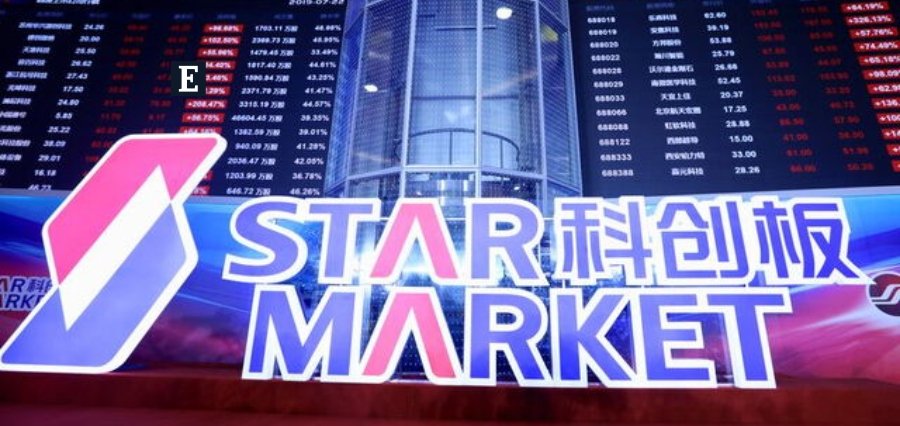
The Shanghai Stock Exchange published rules to help large model companies raise capital through public share sales on its STAR Market, part of a wider push to advance Chinese artificial intelligence.
The announcement followed a pledge from China’s top securities regulator to actively embrace a new phase of technological revolution and industrial upgrading.
The push comes as Wall Street prepares to host major listings from SpaceX, OpenAI and Anthropic, underscoring how capital markets on both sides of the rivalry are racing to back leading tech firms.
Wu Qing, chairman of the China Securities Regulatory Commission, told a forum in Shanghai that an AI led wave of technological change was reshaping production and daily life at unprecedented speed, and that major capital markets worldwide were accelerating reforms to keep pace with innovation and secure leading positions.
The Shanghai Stock Exchange named supporting listings in these future sectors, drawn from China’s next five year economic plan and including hydrogen energy, biomedical engineering, robotics, quantum technology, nuclear fusion and brain computer interfaces, as a major task.
It will also back flotations by early stage large model firms that need capital market support for long term research and development. New rules took effect immediately, setting out how AI large model companies can use the STAR Market’s fifth listing standard, a framework built for firms with strategic technology that have yet to turn a profit.
Wu said regulators would steer more long term, patient capital into equity investments to fund tech innovation, building on earlier reforms that had already helped startups such as AI chipmakers and rocket developers go public.
Companies including memory chip maker ChangXin Memory Technologies and robotics firm Unitree Robotics are now preparing to float on the domestic market.