
The real estate environment is undergoing a quiet transformation, driven not by individual projects but by leaders who rethink how those projects come together. Across India’s real estate and infrastructure sector, a new generation of executives is proving that lasting impact comes from integration connecting design, engineering, technology and business strategy into one coherent vision.
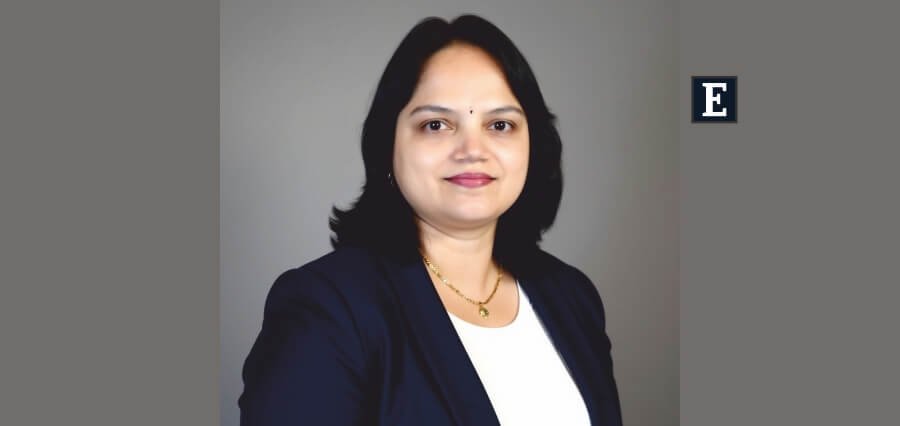
Shobha N V, Founder and CEO of Infinite Building Technologies, embodies this shift. Her journey from technical contributor to industry leader reflects a philosophy honed over two decades: that impact comes from connecting disciplines, not perfecting them in isolation. Her career traces this evolution, but it is her own words that capture the depth of her leadership journey.
The Defining Moment
Shobha traces her transformation into a leader back to a single realization during her work on large-scale developments such as Brigade Gateway and Brigade Metropolis. These projects exposed her to the interconnected nature of design, engineering, planning, execution and business strategy, and she recognised that she no longer wanted to be confined to designing individual projects. She wanted to influence how entire developments were conceived and delivered. That period of exposure shaped her guiding leadership philosophy. This mindset carried her from being a skilled professional contributor to becoming a leader capable of building teams and driving transformation across the sector.
“Think beyond the immediate problem, connect the dots, and create solutions that are both technically sound and commercially meaningful,” she asserts.
Building a Platform for Impact
That philosophy eventually gave rise to what Shobha considers her proudest professional achievement building Infinite Building Technologies into an integrated platform that unites design, engineering, technology, sustainability and project execution. She views the company not as a single milestone but as the translation of years of large-scale project experience into a broader vision that helps clients connect technical excellence with commercial outcomes. Equally important to her is the culture surrounding that vision, since she measures leadership by an organisation’s ability to consistently deliver value, develop capable professionals and leave a lasting mark on the built environment.
An Evolving Leadership Style
Her leadership style has evolved alongside her growing influence. Early in her career, she leaned heavily on technical expertise and hands-on involvement to drive results. As her responsibilities expanded, she came to define her approach as collaborative, outcome-oriented and grounded in integrated thinking, believing the best decisions surface when diverse perspectives converge around a clear objective. She now focuses on building strong teams, encouraging ownership and questioning conventional approaches whenever a better solution exists, while balancing empathy with accountability. Over time, her role shifted from managing projects to shaping thinking, developing people and creating systems that sustain consistent performance.
Overcoming Resistance to Change
Progress, however, rarely comes without resistance. Shobha identifies one of her most difficult professional challenges as navigating complexity while driving change within an industry that is traditionally process-driven and slow to adopt new methods. As she moved into leadership, she found herself aligning designers, engineers, developers, contractors and business teams who often held competing priorities a task demanding patience, communication and trust-building beyond technical know-how. That experience taught her that change cannot be imposed simply because a solution is technically superior; people must understand its purpose and feel part of the journey.
“Sustainable leadership is about turning resistance into an opportunity for better thinking and stronger outcomes,” she states.
Turning Challenges into Strengths
As a woman leading within a historically male-dominated sector, Shobha has had to establish credibility, assert her voice in high-stakes discussions and demonstrate that leadership rests on competence and conviction rather than gender. Rather than viewing these dynamics as obstacles, she reframed them as opportunities to build resilience and confidence, becoming more deliberate about thorough preparation, clear communication and standing firm on difficult decisions. These experiences also deepened her empathy, driving her to create environments where young professionals and women feel empowered to contribute and pursue leadership themselves. What once presented as barriers have become defining strengths resilience, conviction and the ability to lead with both authority and collaboration.
Staying Ahead of the Curve
Staying ahead in a fast-evolving industry, for Shobha, is not about chasing trends but understanding the forces of change and their long-term implications for the built environment. She prioritises continuous learning across technology, sustainability and emerging delivery models, while cultivating a culture that constantly questions whether processes can be executed better, faster or more sustainably. This combination of curiosity and grounded experience keeps her vision responsive rather than reactive.
Recognition as Responsibility
The recognition Shobha has received over the years has reinforced rather than inflated her sense of purpose. She regards accolades less as personal milestones and more as markers of responsibility. That awareness has strengthened her platform to advocate for innovation, sustainability and greater opportunities for women in the industry.
“The real recognition is not the trophy itself, but the impact we leave through the work, the people we develop and the example we set for those who follow,” she explains.
Empowering Teams and Culture
Central to her success is her belief in empowering others. She sees her role not as having every answer, but as creating clarity and the conditions for her teams to find solutions independently, encouraging early ownership and calculated risk-taking. A strong culture, she notes, sustains consistency even in a leader’s absence, built on transparency, accountability and collaboration.
Advice for the Next Generation
To young women aspiring to lead in real estate and infrastructure, Shobha offers direct counsel: build expertise, develop confidence and never let stereotypes define the size of ambition. She urges them to take on complex assignments before feeling fully ready, to lead with their own strengths, and above all, to not wait for permission to lead. She adds a reminder about legacy: success becomes far more meaningful when it creates space for the next generation to succeed alongside you.
The Road Ahead
Looking toward 2026 and beyond, Shobha’s ambition extends past successful projects toward lasting influence over how India’s built environment is designed and delivered. Through Infinite Building Technologies, she aims to advance integrated, resource-conscious and future-ready developments while mentoring the next generation of industry professionals. Ultimately, she hopes to be remembered not for a portfolio of projects, but for building institutions, enabling people, and leaving the ecosystem stronger than she found it.